Read 02
What provenance means
Provenance is the documented history of a watch: who made it, who sold it, who owned it and what was done to it along the way. It is related to authenticity but not the same thing. A genuine watch with a thin history can be a perfectly sound purchase. A beautiful story attached to a doubtful watch is a warning, because stories are cheap and the metal in your hand is not.
Treat the two questions separately. First: is this watch what it claims to be, in the condition it claims? Second: does its history make that more or less likely? Collectors who blur them tend to overpay for narrative.
The paper trail
Over a watch's life, several kinds of document can accumulate:
- The original box, outer packaging and hang tags.
- The warranty card or guarantee, ideally with the dealer's stamp and a date.
- Instruction booklets and any certificate that came with the model.
- The first invoice, plus later purchase receipts.
- Service invoices, which are often the most honest records of all.
- Letters, photographs and auction catalogue entries.
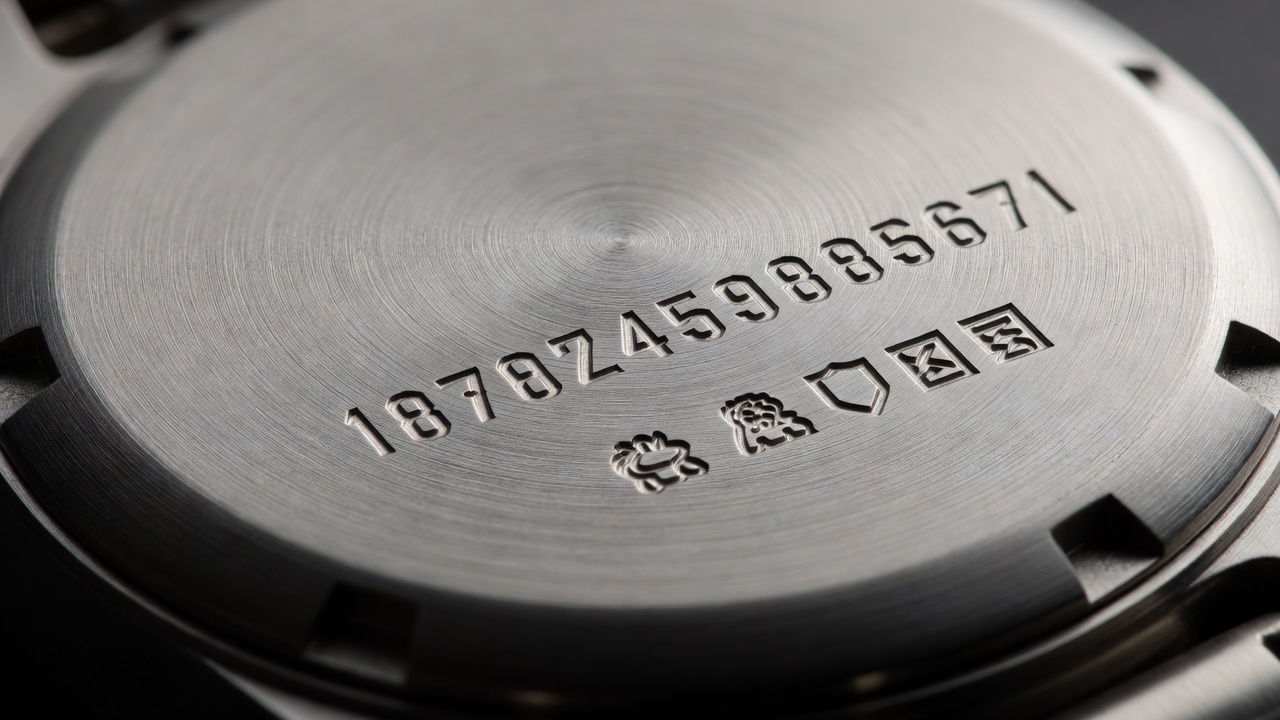
Papers prove that a watch of a certain reference once existed in a certain configuration. They do not prove that the watch in front of you is the one they were issued with. Check that the serial and reference numbers on the card match those on the case, not merely each other. Keep in mind that blank cards and reproduction boxes are traded openly.
Manufacturer archives
Some houses will research their own records. Patek Philippe issues an Extract from the Archives for many of its watches, for a fee, confirming details such as the movement and case numbers, the production date and when and where it was sold, as recorded. Audemars Piguet and other makers offer comparable heritage or certificate services for many references, although scope and terms differ by house and era.
An archive letter confirms a record, not a condition. A watch can match its extract perfectly and still carry a replacement dial, a later bracelet or a movement that has been heavily reworked. Use the letter as one witness among several.
Reading the watch itself
Dial and hands
Look at the sharpness of the printing, the colour match between luminous plots and hands, and whether any ageing is even across the dial. Patina that stops neatly at a hand's edge deserves a second look. A refinished or "service" dial is not forbidden, but it normally lowers a collectible watch's value, and a seller should say so.
Case, crown and caseback
Original case edges are crisp where a maker polished and brushed them with intent. Heavy polishing softens lugs and blurs hallmarks. Compare caseback engravings against known good examples for font, depth and spacing, and check that the crown and tube suit the era.
Movement
Ask for clear photographs of the movement, front and back. Look for the right signatures, finishing and serial numbers for the period, and note any replaced screws or bridges. A "married" watch combines parts from different examples. When the combination is undisclosed, it is a problem. When it is disclosed and priced accordingly, it can still be a fair buy.
Papers are testimony. The watch is the evidence. Weigh them separately.
Red flags worth heeding
- A seller who will not supply movement photographs or accept an independent inspection.
- Papers whose numbers differ from the watch, or that look newer than the story suggests.
- A price far below the market, with an urgent reason to decide today.
- A watch that looks better than any comparable example in the same reference.
Where a club helps
This is where membership earns its keep. Peers who have handled the same reference many times can spot what a first-time buyer cannot, and a good club can point you to an independent watchmaker for a proper inspection. That second opinion costs far less than a single wrong purchase.
Next read: Keeping a Movement Healthy. Or see the short answer on checking a watch is genuine.