Read 01
Why clubs have levels at all
Collector clubs sort themselves into tiers for a practical reason, not a snobbish one. A handling evening for twelve people cannot also serve two hundred. A specialist who gives an hour to a member's question has only so many hours to give. Tiers are how a small circle rations attention, and once you see them that way they become much easier to read.
The better clubs build levels around what a member does and needs, not around the size of the watch on their wrist. The weaker ones build levels around a price list and describe the benefits afterwards. The difference tends to show in the first conversation: one club asks what you collect, the other asks what you would like to spend.
We should be plain about our own position. This site is independent and does not sell membership to any club. What follows is a composite, drawn from how clubs commonly describe themselves. Names and details vary from one club to the next.
The four common rungs
Most structures reduce to four levels. The table sets out what each tends to include.
| Tier | Access | Knowledge | Provenance help | Suits |
|---|---|---|---|---|
| Reader | Published essays, open events | Public library of guides | General guidance only | Someone still deciding |
| Associate | Talks and group handling evenings | Reference guides, member forum | Peer opinions on request | A first or second serious watch |
| Member | Private viewings, fair visits, dealer introductions | Archive of past discussions, specialist Q&As | Structured review of papers and photographs | A collector with a developing focus |
| Patron | Small-group access, early notice of consignments | Commissioned research, mentoring | Introductions to independent experts | Someone building or curating a larger collection |
What the lower rungs are really for
The Reader and Associate levels work best as an extended introduction. You learn how the club talks, who speaks up, and whether the conversation rewards curiosity or only confidence. Take a year at the lower rung if you can. A club that is generous with its lower tier usually has nothing to hide at the upper ones.
Where the real value sits
For most collectors the Member rung is the one that changes behaviour. Private viewings mean you handle watches before buying rather than after. A structured review of papers and photographs gives you a second set of eyes at the moment of purchase, which is exactly when your own judgement is least reliable.
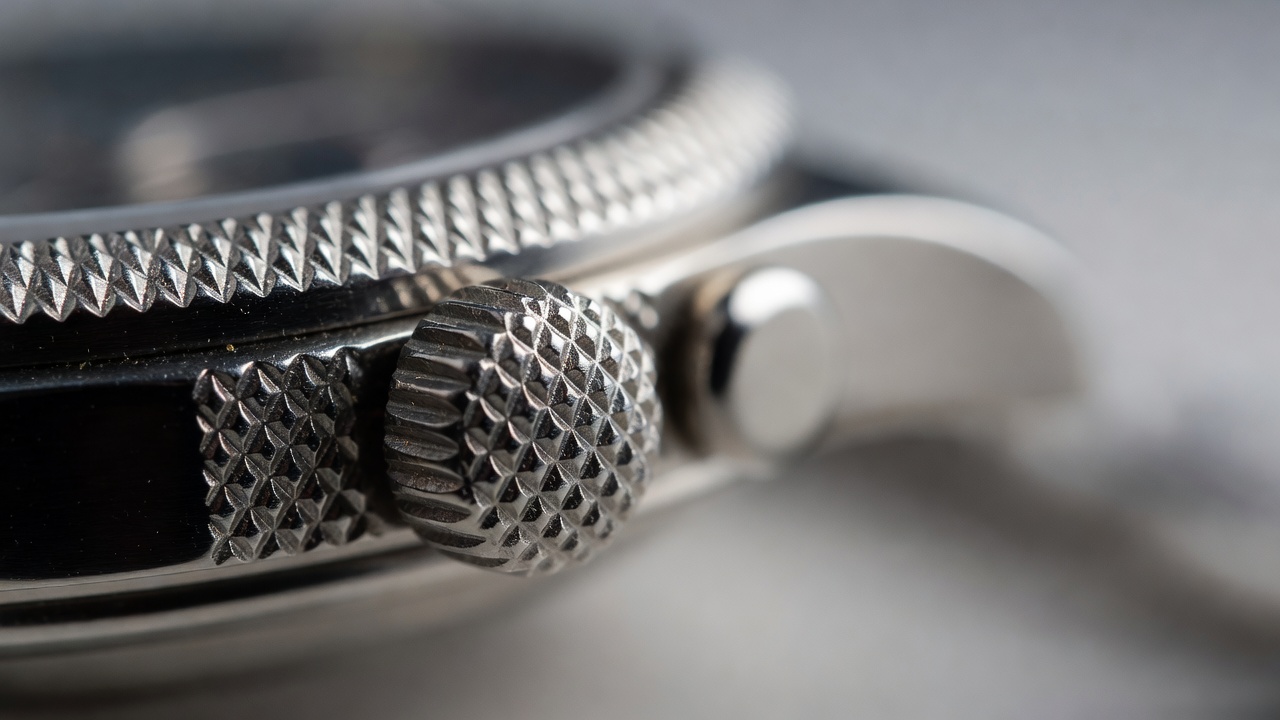
Ask what you will be able to do in month one that you cannot do today.
The Patron level is a different proposition. It is for people whose collections have become projects, with commissioned research, mentoring and introductions to independent experts. It carries real cost and real expectations of participation, and it is rarely the right place to begin.
Questions to put to any club before joining
- Who runs the events, and are they independent of dealers and brands?
- How does the club handle a dispute over a watch's authenticity?
- May members trade with each other, and what role, if any, does the club play?
- What happens to fees, and to access, if you leave mid-year?
- Is there a published code of conduct for members and officers?
- Can you attend once as a guest before committing?
A note on cost
Fees vary widely and change often, so we do not publish figures. Ask for the full schedule in writing, including renewal terms, any joining fee and what is charged extra for events. A club confident in its value will send it without fuss.
Choosing by stage
If you own one or two watches and are still learning your taste, an Associate level is usually enough. If you are narrowing towards a theme, such as a single maker, an era or a complication, a Member level repays itself in avoided mistakes. If you are already advising friends on their purchases, you may want the fuller access a Patron level offers. In every case, judge the club by its conversation, not its brochure.
Next read: Papers, Boxes and Proof. Or return to the notebook's front page.